
Can You Apply Iron-On Patches on Leather?
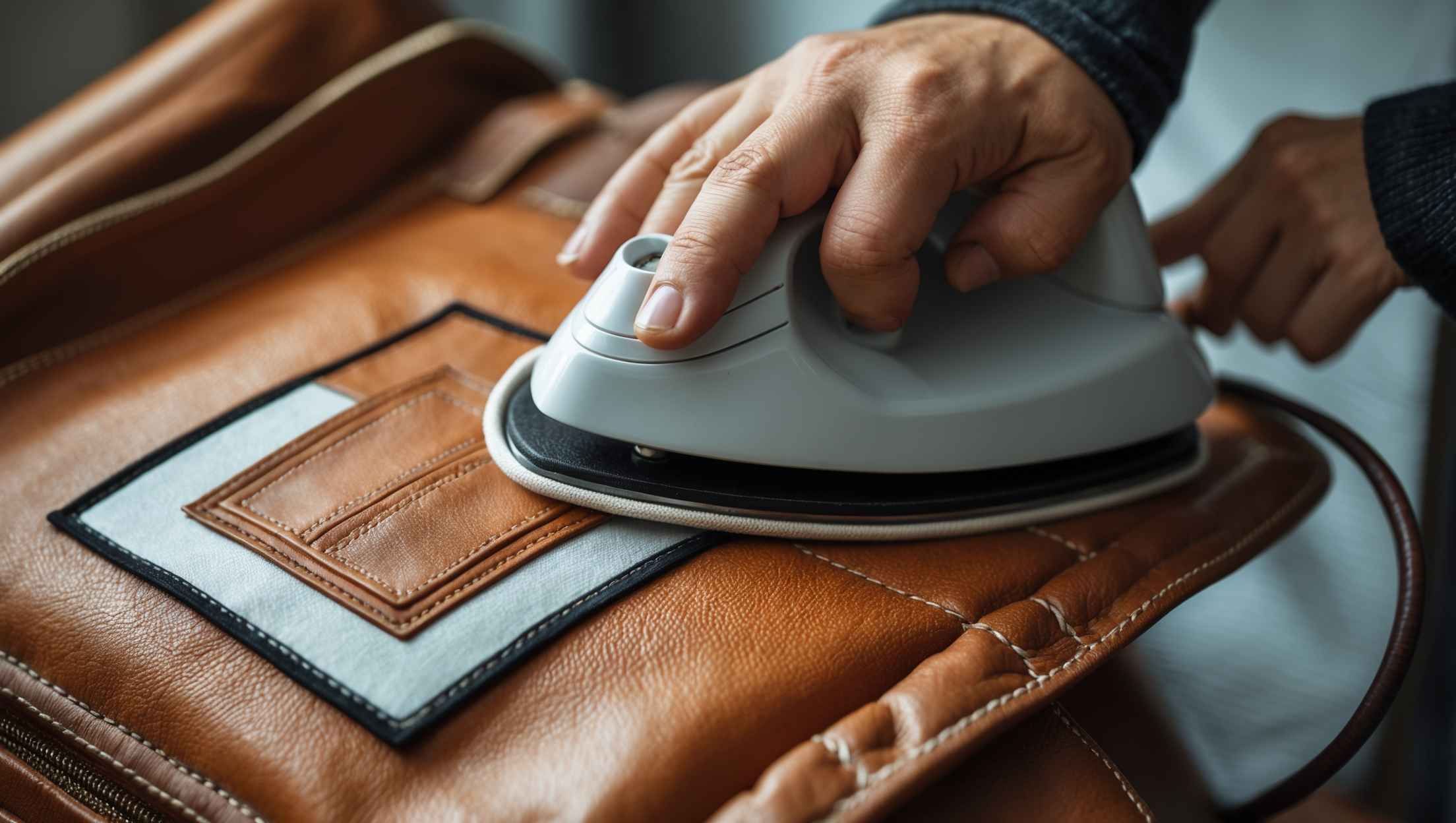
Leather supports patches, but heat requires extra caution. Iron-on patches may damage leather if applied incorrectly. High temperature affects leather texture, color, and surface durability.
Many people add patches to leather jackets, biker vests, motorcycle gear, and fashion accessories. However, leather reacts differently than cotton or denim fabric. Proper attachment methods improve patch security and protect the leather surface.
This guide explains whether iron-on patches work on leather and safer application methods. You will also learn sewing techniques, fabric glue methods, and leather patch care tips.
Do Iron-On Patches Hold Properly on Leather?
Yes, iron-on patches can attach to leather, but results vary by material type. Genuine leather and faux leather respond differently to heat exposure.
Leather contains sensitive fibers and protective finishes. Excessive heat may dry, discolor, or crack the surface. Some adhesives also fail to bond permanently with smooth leather textures.
Several factors affect patch adhesion on leather:
- Leather thickness
- Surface coating
- Adhesive quality
- Heat temperature
- Pressure strength
- Patch backing type
Iron-on patches may work temporarily on leather jackets and biker vests. However, sewing usually provides better long-term durability. Following proper iron on patch instructions helps reduce heat damage on leather surfaces.
Why Sewing Patches on Leather Works Better
Sewing creates stronger and safer leather patch attachment. Stitching avoids direct heat damage and improves long-term performance.
Leather jackets experience constant movement, bending, and outdoor exposure. Sewn patches handle friction and weather better than adhesive backing.
Sewn leather patches offer several advantages:
- Permanent patch security
- Better edge stability
- Stronger wash resistance
- Reduced heat damage risk
- Professional appearance
- Improved durability on biker gear
Many motorcycle clubs and biker groups prefer sewn embroidered patches because they last longer on leather garments.
5 Simple Steps to Sew Patches on Leather
Proper sewing techniques improve patch durability and leather appearance. Careful preparation also prevents unnecessary leather damage.
Step 1: Prepare Your Tools
Gather all sewing materials before starting the process.
Recommended tools include:
- Embroidered patch
- Leather jacket or vest
- Heavy-duty polyester thread
- Leather sewing needle
- Sewing clips or tape
- Hand sewing needle or machine
Strong polyester thread works well because it resists moisture and friction.
Step 2: Clean the Leather Surface
Clean leather improves patch positioning and stitching accuracy. Dust and oil may affect patch placement.
Use a dry microfiber cloth to remove surface debris. Avoid soaking leather with excessive moisture.
Clean leather also helps maintain professional patch alignment.
Step 3: Position the Patch Carefully
Place the patch exactly where you want permanent attachment. Check alignment before sewing begins.
Popular patch locations include:
- Jacket back panels
- Chest areas
- Shoulder sections
- Motorcycle vest fronts
- Sleeve positions
Secure the patch temporarily using clips or low-tack tape.
Step 4: Thread the Needle Properly
Use strong thread for leather stitching projects. Polyester thread provides better flexibility and durability.
Double-threading improves stitch strength on thick leather garments. Tie a secure knot before starting.
Leather sewing needles penetrate material more effectively than standard fabric needles.
Step 5: Sew Around the Patch Border
Begin sewing slowly around the patch edges. Keep stitch spacing even for cleaner appearance.
Avoid pulling the thread too tightly. Excess pressure may wrinkle the leather surface.
Border stitching improves edge security and prevents patch lifting over time.
Can You Glue Patches on Leather?
Yes, fabric glue works well for temporary or non-permanent leather patch application. Many people choose glue because it avoids direct heat exposure.
Glue works best on fashion jackets, handbags, and decorative leather accessories. Strong leather adhesives provide flexible bonding without stitching holes.
However, glue may weaken faster under heavy outdoor use or motorcycle riding conditions.
Easy Method for Gluing Patches on Leather
Proper glue application improves patch bonding and surface protection. Use high-quality leather-safe adhesive whenever possible.
Gather Your Materials
Prepare these items before starting:
- Leather-safe fabric glue
- Clean cloth
- Custom patch
- Leather garment
- Protective gloves
Choose flexible adhesive designed specifically for leather materials.
Apply the Glue Carefully
Spread a thin glue layer across the patch backing. Avoid excessive adhesive near patch edges.
Too much glue may spread onto visible leather areas.
Press the Patch Firmly
Place the patch carefully onto the leather surface. Apply firm pressure evenly across the patch.
Press all edges securely to improve adhesive contact.
Let the Adhesive Dry Completely
Drying strengthens the adhesive bond between the patch and leather surface. Follow manufacturer drying instructions carefully.
Avoid bending or wearing the garment during drying time.
Can Heat Damage Leather?
Yes, excessive heat may damage leather permanently. High temperature affects leather texture, color, and flexibility. Direct ironing may create burn marks, cracks, or surface shrinkage. Faux leather may also melt under extreme heat. Always use low heat when testing iron-on patches on leather.
Is Sewing Better Than Ironing on Leather?
Yes, sewing is usually safer and more durable for leather garments. Stitching avoids adhesive failure and heat-related damage. Sewn patches stay secure longer on biker jackets, motorcycle vests, and heavy leather apparel. Professional patch makers often recommend stitching for permanent leather patch application.
Add Durable Custom Patches to Leather Clothing
Custom patches improve leather jackets, biker vests, backpacks, and motorcycle gear. High-quality patches provide stronger durability and cleaner appearance.
Nexus Patches creates premium custom patches for leather apparel and accessories. Our patches use durable thread, clean border stitching, and strong backing materials for long-lasting performance.
Whether you customize biker jackets or fashion leatherwear, Nexus Patches delivers professional custom patches built for durability, style, and everyday use.